Radon Fan Replacement in Ashburn, VA
Fan Gone?
We Swap It Today
A properly working radon mitigation fan is essential for keeping your system operating as designed. When a fan becomes noisy, loses performance, or stops running altogether, a radon fan replacement can restore proper airflow and help your mitigation system continue removing radon from your home.
Northern Virginia Radon Solutions provides radon mitigation fan replacement for homeowners in Ashburn and throughout Northern Virginia. We identify the cause of the problem, select a replacement fan that matches your existing system, and verify its operation after installation.

Need a Radon Fan Replacement?
Radon fans operate continuously, so normal wear can eventually affect the motor and other components. Most fans can last many years, but their service life varies depending on the equipment, installation location, moisture exposure, and operating conditions.
Some signs that your radon system fan may need attention include:
- Your manometer shows little or no pressure: A significant change in the U-tube manometer reading can indicate that the system is no longer creating the expected pressure.
- The fan has become unusually loud: Rattling, grinding, humming, or excessive vibration can indicate motor or bearing problems.
- Your radon levels have increased: A higher reading on a follow-up radon test may indicate that your mitigation system needs to be inspected.
- The fan is more than 10 years old: Older equipment may be more likely to experience mechanical failure, making an inspection worthwhile.
- There is visible moisture or corrosion: Moisture around the fan or electrical components should be evaluated by a professional.
- The fan does not restart: A fan that fails to turn back on after a power interruption may have an electrical or motor problem.
If you notice one or more of these signs, a professional inspection can determine whether the fan needs to be replaced or if another part of the mitigation system requires attention.
What Happens During a Radon System Fan Replacement?
Replacing a radon mitigation fan involves more than simply installing a new motor. The replacement needs to be appropriate for the existing system and its operating requirements.
During a radon system fan replacement, we evaluate the existing installation, including the fan, piping, electrical connection, and system pressure. We then select a compatible replacement unit based on the system’s requirements.
Once the new fan is installed, we check the system’s operation and pressure to make sure everything is working as expected.
A Replacement Fan Matched to Your System
Different radon mitigation systems require different fan capacities. Installing a fan based only on the size or model of the old unit may not provide the right performance.
We consider factors such as pipe size, system pressure, and the existing mitigation setup when selecting a replacement. The goal is to install a fan that works properly with the system already in place.
System Pressure Verified After Installation
After the replacement, we check system pressure and the manometer reading to confirm that the fan is operating properly. This gives you a clear indication that the mitigation system is functioning after the work is completed.
Professional Installation
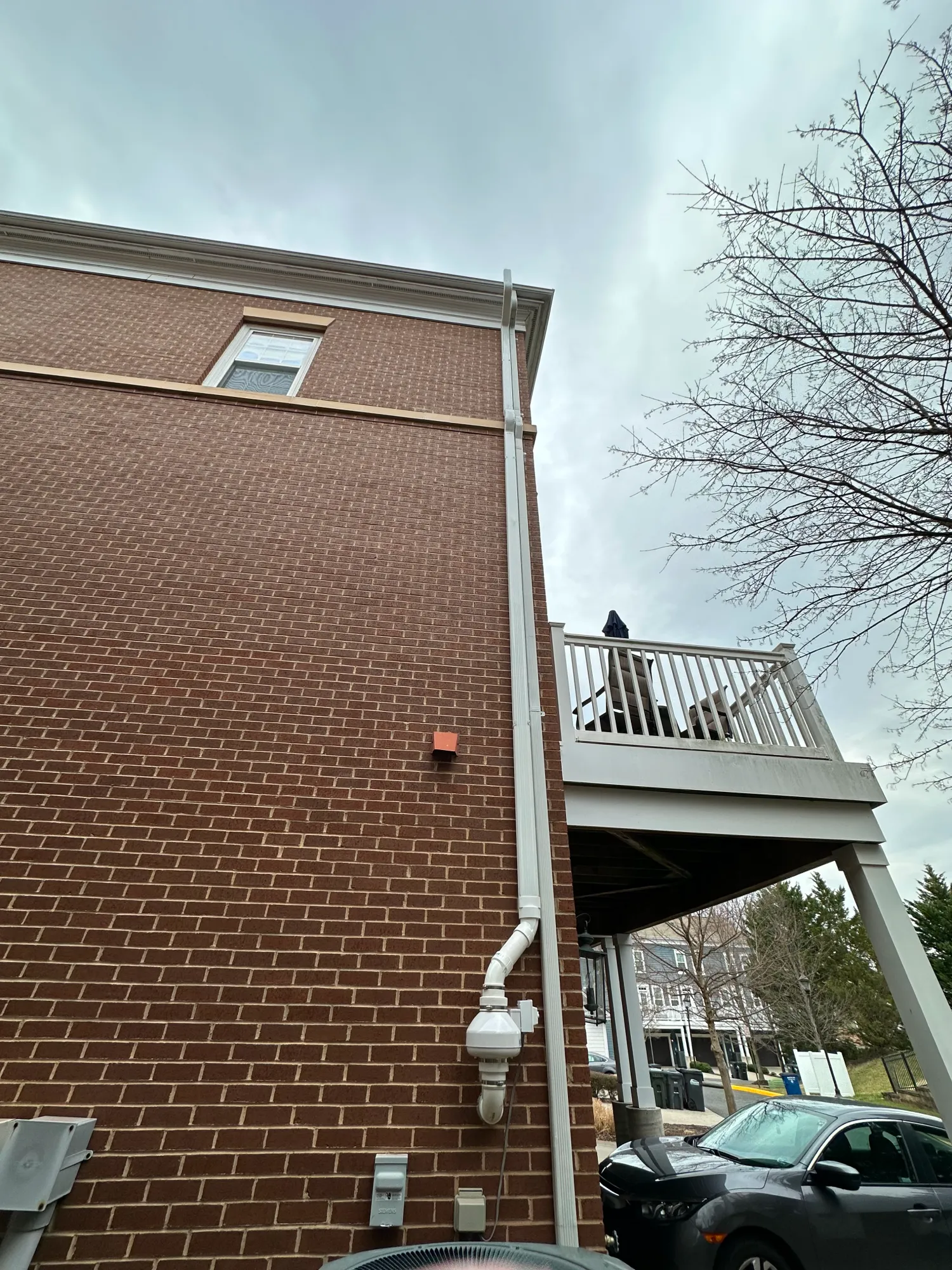
Radon mitigation fans involve both electrical connections and exterior equipment that must be installed appropriately for the home’s conditions. Our technicians are trained in radon mitigation system installation and follow applicable industry practices when replacing fans.
Why Choose Northern Virginia Radon Solutions?
Homeowners in Ashburn and throughout Northern Virginia rely on us for professional radon mitigation services, including fan replacement and system evaluations.
Proper Fan Matching
We select replacement fans according to the requirements of your existing mitigation system rather than simply replacing the old unit with a similar-looking model.
Professional Diagnostics
We use pressure readings and system checks to help identify fan problems and verify operation after the replacement.
Experienced Technicians
Our technicians are trained to work with radon mitigation equipment, including fan installation, electrical connections, and system components.
Quality Equipment
We use replacement fans from established manufacturers and select equipment appropriate for the individual mitigation system.
Clear Pricing
You’ll receive pricing before work begins, so you know what to expect before the replacement is completed.
Respectful Service
We keep the work area clean, communicate arrival times, and take care when working inside and around your home.
Frequently Asked Questions About Radon Fan Replacement
How often does a radon mitigation fan need to be replaced?
There isn’t a fixed replacement schedule for every radon fan. Many fans operate for 10 years or longer, but lifespan depends on the equipment, installation location, moisture exposure, and how continuously the system operates. Regularly checking your mitigation system can help identify when replacement may be needed.
Can you replace the fan without replacing the entire radon mitigation system?
In many cases, yes. If the existing mitigation system is properly installed and the piping and other components remain in good condition, only the fan may need to be replaced. A professional inspection can determine whether a fan replacement is appropriate or if other parts of the system also need attention.
Do I need to retest my home after replacing a radon fan?
A radon test can help confirm that the mitigation system is effectively controlling radon after repairs or changes to the system. The appropriate timing and type of test can depend on the home’s circumstances and the type of mitigation system installed.
Can any radon fan be used as a replacement?
No. Radon fans are available in different sizes and performance ratings, and the correct replacement depends on the existing system. Factors such as pipe size, system pressure, and the configuration of the mitigation system should be considered before selecting a new fan.
How long does a radon fan replacement take?
The time required depends on the existing installation and whether any additional issues are discovered. A straightforward fan replacement can often be completed during a single service visit. Your technician can provide a more specific estimate after evaluating the system.
What should I do if my radon fan stops working?
If your fan stops running, check whether there has been a power interruption or tripped breaker. If the fan does not restart, avoid attempting electrical repairs yourself. Contact a qualified radon professional to inspect the fan and mitigation system and determine whether a replacement or another repair is needed.
Keep Your Radon Mitigation System Working Properly
A failing fan shouldn’t be ignored. If your manometer reading has changed, your fan is making unusual noises, or your radon levels have increased, have the system inspected to determine whether a radon fan replacement is needed.
If you’re in Ashburn, VA, or elsewhere in Northern Virginia, contact Northern Virginia Radon Solutions to schedule a fan inspection or replacement. We’ll evaluate your existing system, recommend an appropriate replacement, and verify its operation after installation.