Passive Radon System Install in Ashburn VA
Already Protected Before You Need a Fan
Not every Ashburn home needs a fan right away. For new construction or homes with lower readings and good sub-slab communication, a passive radon system creates a ready-to-activate pathway—no drilling later, no disruption down the road. Northern Virginia Radon Solutions installs passive systems that meet Virginia building codes, satisfy buyers, and upgrade easily if radon levels rise.
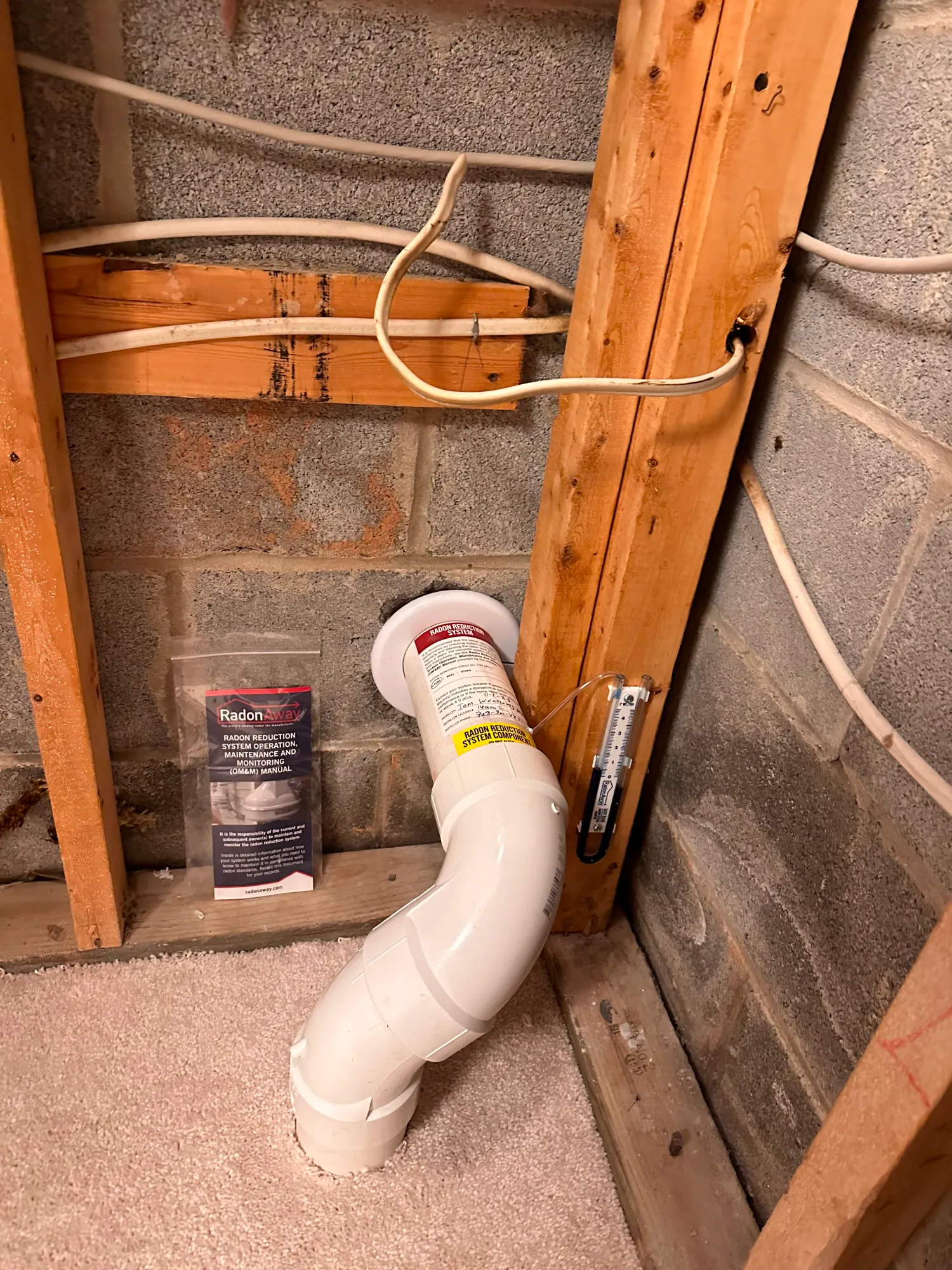
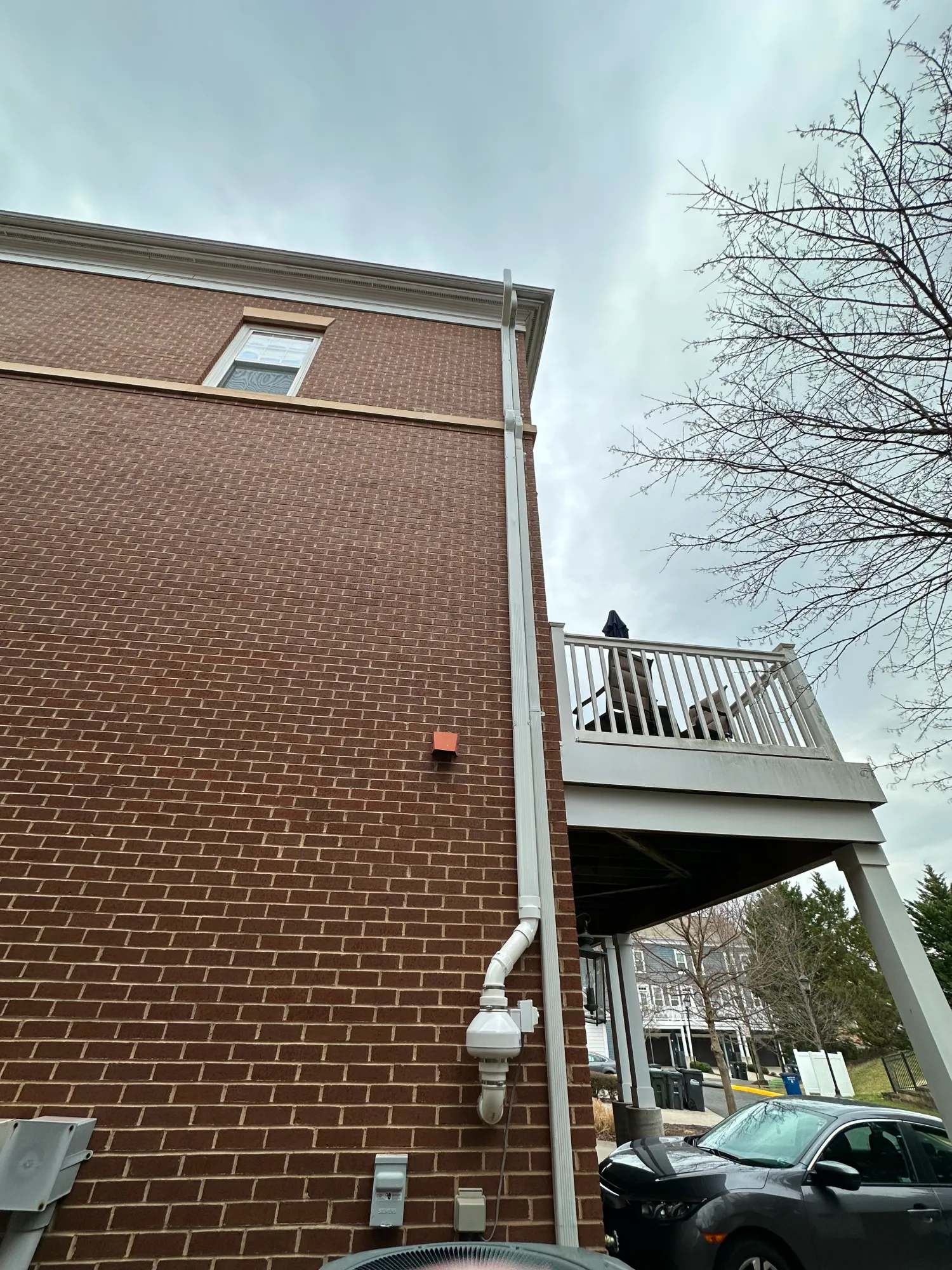
Passive systems work by creating a dedicated vent pipe from beneath the slab to the roof line, relying on natural air pressure differences to draw radon up and out. If post-occupancy testing shows levels above 4.0 pCi/L, we can add a fan to the existing pipe in under an hour—no new core drilling, no extra wall penetrations. Getting the pipe in right the first time saves cost and headaches later.
Is a Radon Passive Mitigation System Right for You?
Passive installs make the most sense in specific situations. If any of these apply to your home or project, call Northern Virginia Radon Solutions for a free assessment.
- If you’re building new construction and want a code-compliant, fan-ready radon rough-in from day one.
- If a radon test came back between 2.0 and 4.0 pCi/L and you want a low-cost protective measure before it rises.
- If you’re selling a home and a buyer is asking for radon-readiness documentation without full mitigation.
- If your current system has no vent pipe and adding one now is more affordable than emergency work later.
- If you’re finishing a basement and want the rough-in done before drywall goes up.
- If a home inspector flagged missing radon provisions and you need a clean, documented fix.
What a Passive Radon Install Gives You
A passive system is the smart first step for homes that aren’t yet at the mitigation threshold. Here’s what a properly installed passive system delivers for Ashburn homeowners.
Meets Virginia Code
Lower Cost, Full Upgrade Path
Add a Fan in Under an Hour
Stays Out of Sight
Why Ashburn Homeowners Choose Northern Virginia Radon Solutions?
Local Loudoun County expertise
Code-compliant documentation
Tidy, dust-managed installs
Straightforward pricing
Upgrade path included
Every passive system we install is fan-ready. If levels rise, one visit converts your passive pipe to a fully active sub-slab depressurization system.
Respect for your schedule
Frequently Asked Questions About Passive Radon Install
Does a passive radon system need electricity?
No. A passive radon system does not require an electric fan to operate in its passive state. It uses natural pressure differences and airflow to move soil gas through the vent pathway. If testing shows that active mitigation is needed, a fan can be added to the system.
Can an existing home have a passive radon system installed?
It depends on the home’s construction and foundation. Passive systems are generally easiest to incorporate during new construction because components such as the gas-permeable layer and foundation piping can be installed before the slab and other finishes are completed. Existing homes may require a different mitigation approach based on their foundation and current radon levels.
How can I tell if my new home already has a passive radon system?
Look for a labeled PVC vent pipe connected to the area beneath the foundation and routed vertically through the home or toward the roof. However, the appearance of a pipe alone does not confirm that the system was installed correctly or that it is reducing radon effectively. A professional inspection and radon test can provide a more reliable answer.
Can a passive radon system be converted to an active system?
Yes. One of the main advantages of a properly designed passive system is that it can be prepared for future activation. If post-construction testing shows elevated radon, a qualified professional can evaluate the existing system and determine whether adding a radon fan is appropriate.
Should I test my home if it already has a passive radon system?
Yes. A passive system does not guarantee that indoor radon levels are below the recommended action level. Testing after construction and occupancy shows whether the system is performing adequately and whether additional mitigation is necessary.
Is a passive radon system enough for a home with elevated radon?
Not necessarily. If testing shows elevated radon, the passive system may need to be converted to an active system or modified to provide stronger soil-gas removal. The appropriate solution depends on the home’s foundation, existing piping, and measured radon levels.
Protect Your Ashburn Home From The Ground Up!