Radon Mitigation in Sterling, VA
Local, Certified Radon Pros Serving Loudoun County Homes
Northern Virginia Radon Solutions protects Sterling, VA families with tailored mitigation systems. Our team in Sterling, VA understands Loudoun’s high radon potential, basement-heavy homes, and tight new construction that can trap gases—especially during winter’s closed-house conditions. We design neat, HOA-conscious installations for townhomes, single-family homes, and condos, delivering reliable reductions that fit your property and budget.
Why Does Radon Mitigation Matter?
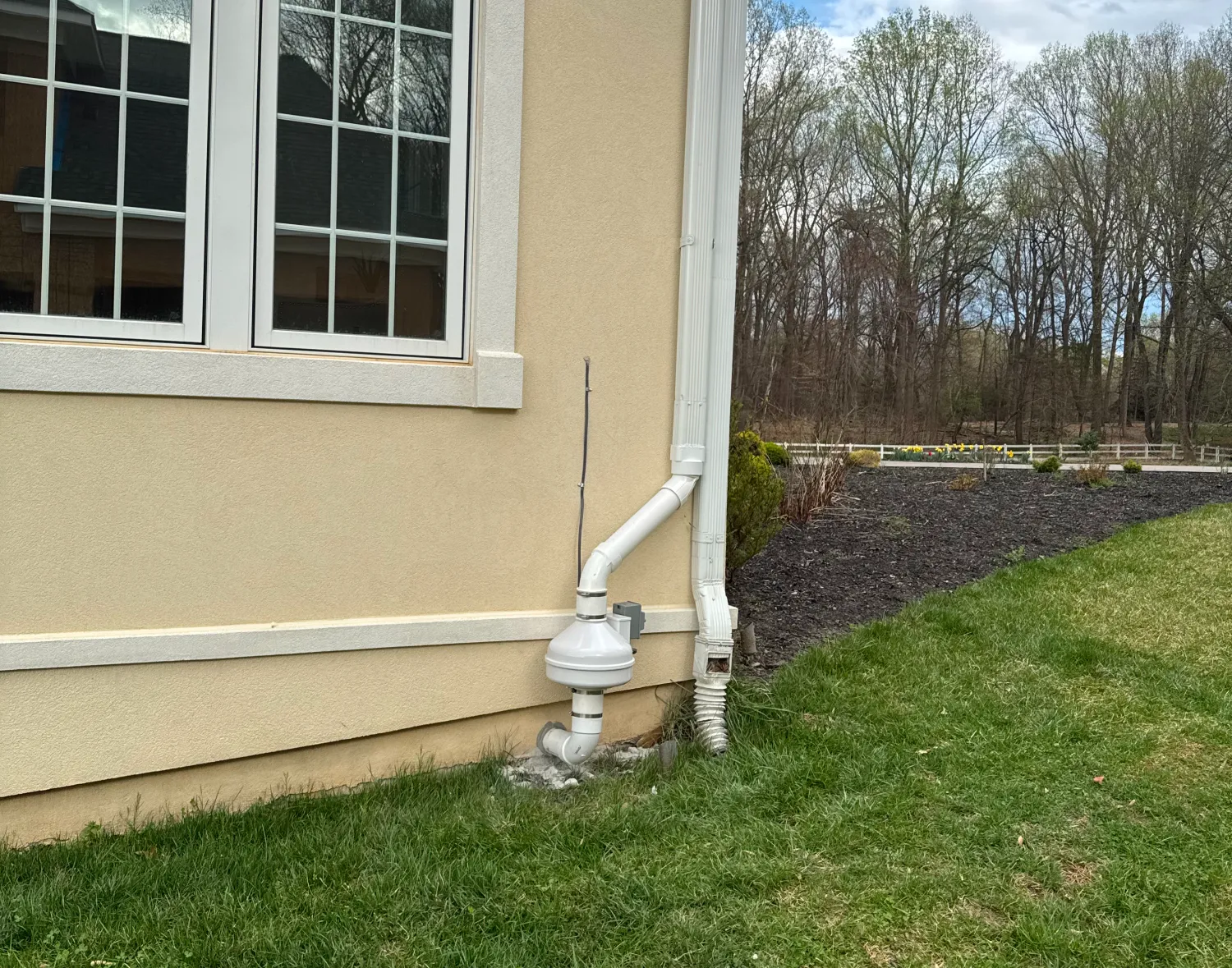
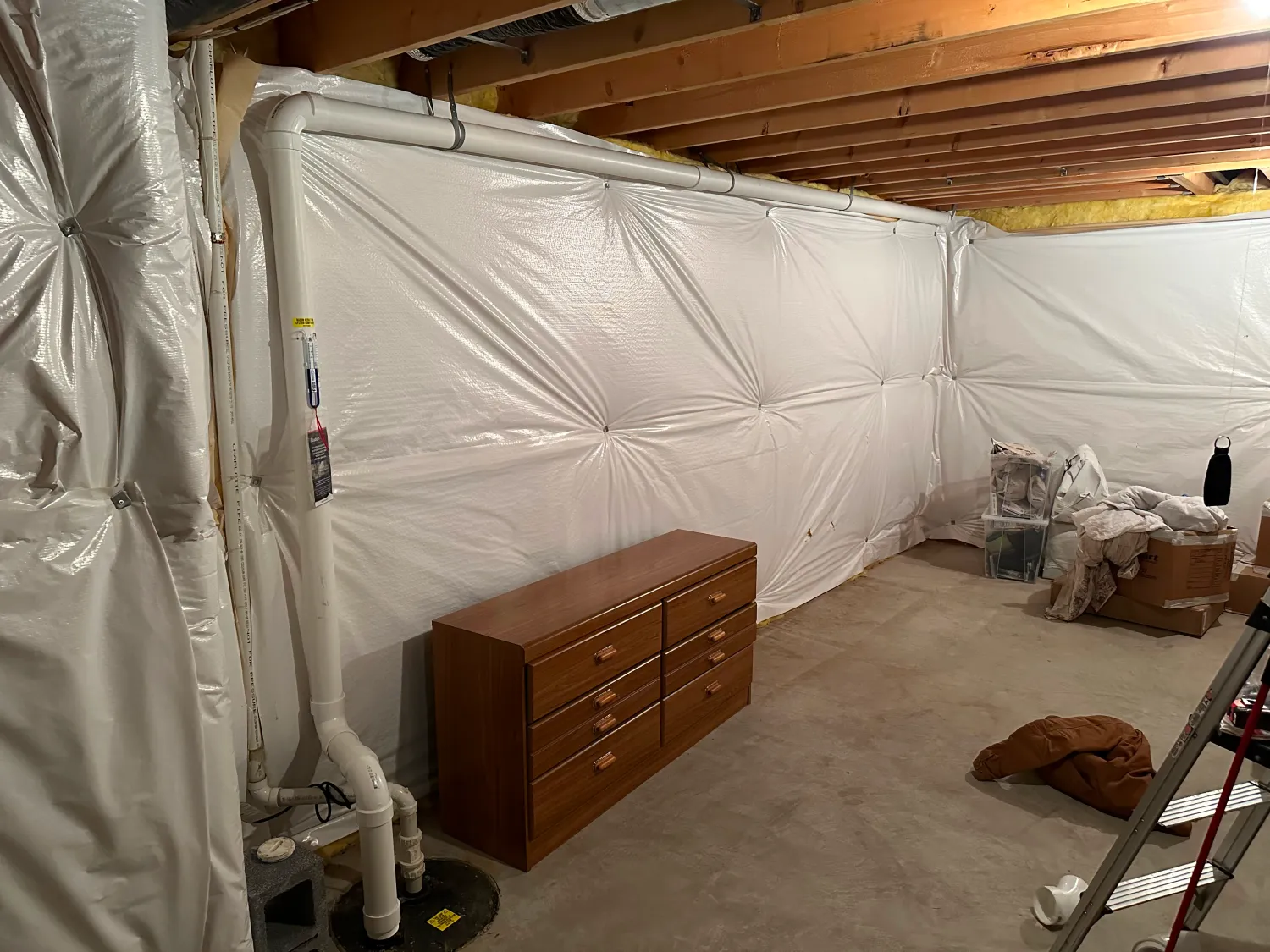
Sterling, VA sits in an EPA Zone 1 area, where geology commonly releases radon into basements and slabs. Many neighborhoods feature finished lower levels and tight envelopes that elevate concentrations when windows stay closed in winter and during summer AC season. Professional mitigation reduces long-term lung cancer risk, protects resale value, and satisfies real-estate requirements, giving you verifiable results backed by local expertise. Crawlspaces, sump pits, and new-build rough-ins can all be integrated for better performance. A properly sized fan and sealed pathways keep levels down year-round.
Radon Services in Sterling, VA
Radon Testing
Radon Mitigation
System Repair & Maintenance
Trusted, Local Team Ready to Help
Our team is NRPP-certified, licensed, and insured. We’re ready for next-day assessments, clear proposals, and same-week installations. We handle Loudoun County permits, coordinate with HOAs, and keep work areas spotless. Every system’s pressure-tested, labeled, and followed by post-mitigation testing so you know it’s working. If your project’s urgent for a home sale, we’ll prioritize scheduling and documentation to keep closing on track. We also service fan replacements and offer maintenance checks to sustain long-term performance.
Fun Facts About Sterling, VA
Sterling’s diverse housing—ranging from 1960s-era homes near Route 7 to newer developments in Sterling Park—requires varied radon testing and mitigation strategies based on construction type and foundation design. The area’s geological setting includes both Triassic basin sediments and Piedmont metamorphic rocks, creating variable but persistent radon potential across neighborhoods. Older Sterling homes with concrete block foundations present different mitigation challenges than newer poured concrete construction, often requiring exterior soil gas collection or block wall depressurization techniques. Our testing protocols account for Sterling’s mix of slab-on-grade homes, crawlspace construction, and basement foundations, conducting measurements that meet EPA standards while addressing each structure type’s specific radon entry routes. Mitigation installations in Sterling’s established neighborhoods work within mature landscaping and existing utility locations, drilling strategic suction points and routing vent pipes to minimize visual impact. System maintenance addresses the full range of Sterling’s housing stock, from 30-year-old systems needing comprehensive evaluation to recent installations requiring routine pressure checks and fan operation verification.
Sterling, VA Success Story
Concrete Block Foundation Mitigation Using Block Wall Depressurization Established Sterling Neighborhood
The Problem
A Sterling homeowner in one of the Route 7 corridor’s established 1960s neighborhoods called after radon testing by a home inspector flagged levels of 11.3 pCi/L. The home was a ranch with a full basement featuring hollow concrete block foundation walls — a construction type common in pre-1980s Loudoun County that presents a specific challenge: radon migrates through the interconnected voids in block walls, not just through the floor slab.
Standard sub-slab depressurization alone is insufficient for block wall foundations because it does not address the radon pathway through the block cores. A combined approach was required.
What We Did
- Conducted diagnostic testing to map radon entry points: drilled small test holes in the basement floor (sub-slab) and in a basement block wall core (block interior). Confirmed elevated radon pressure in both the sub-slab aggregate and the block wall voids.
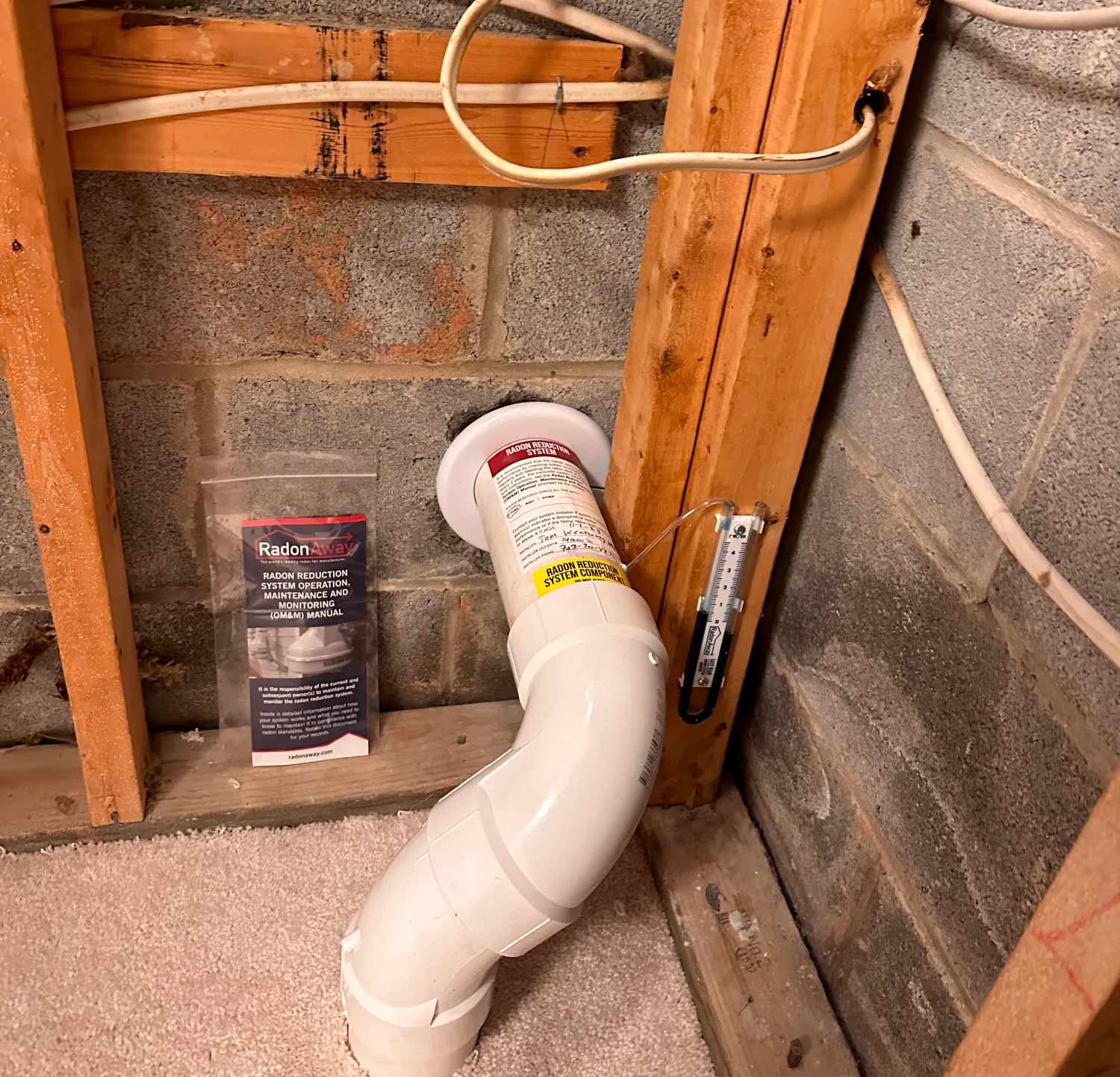
- Installed a block wall depressurization suction point in the top course of block near the sill plate, where block cores communicate with the sub-slab aggregate layer — creating a unified suction network drawing from both the slab and the wall system.
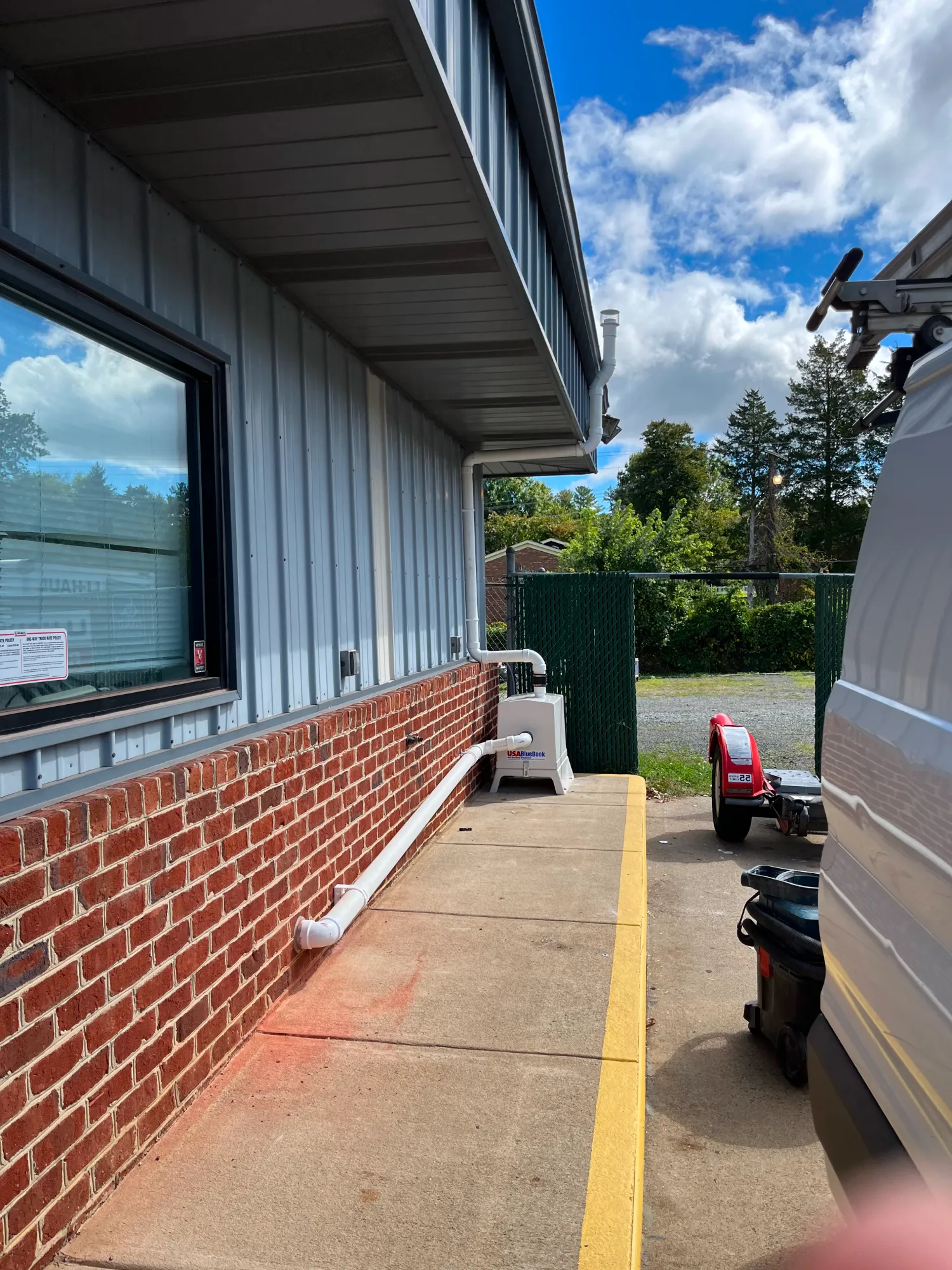
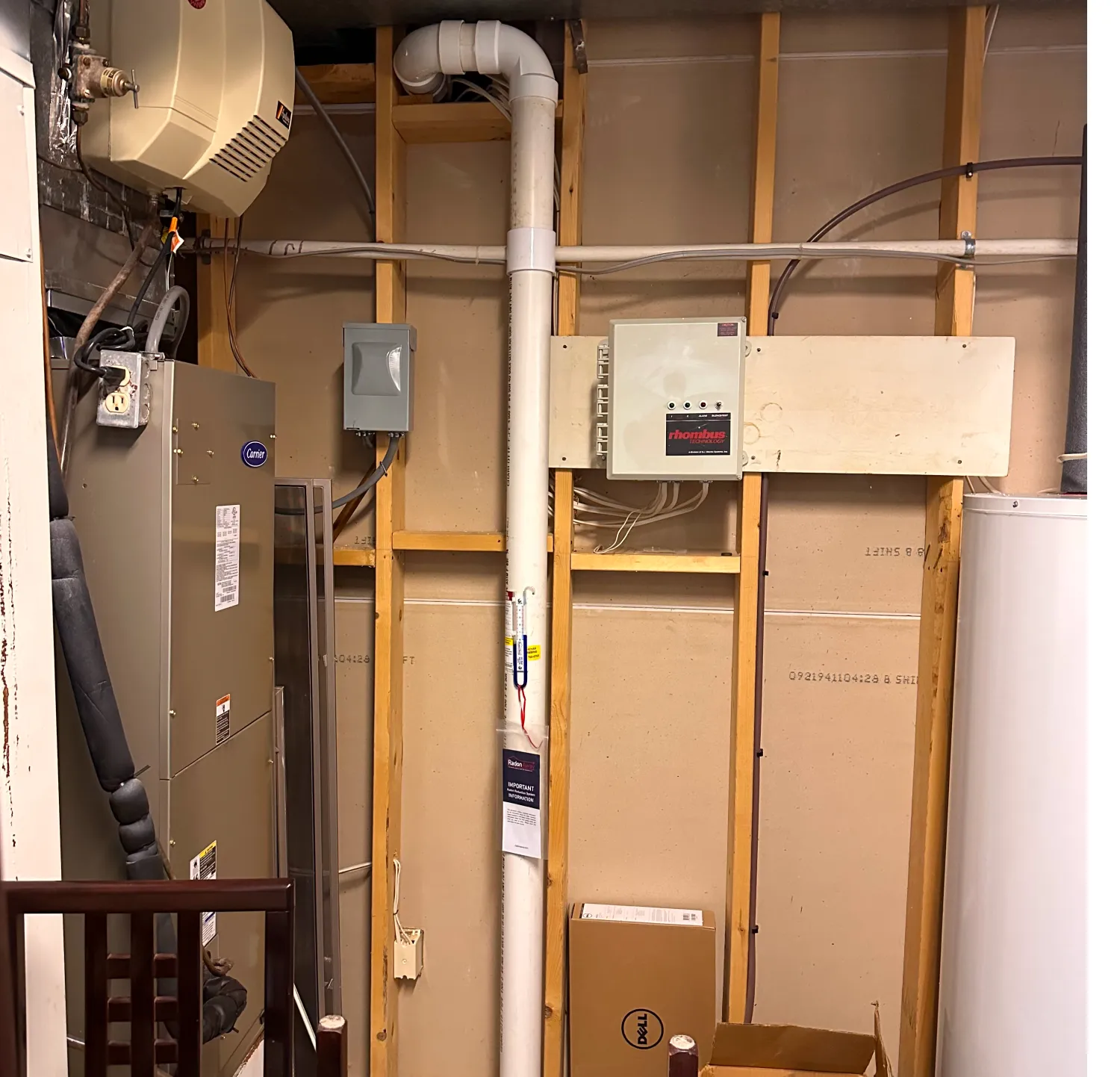
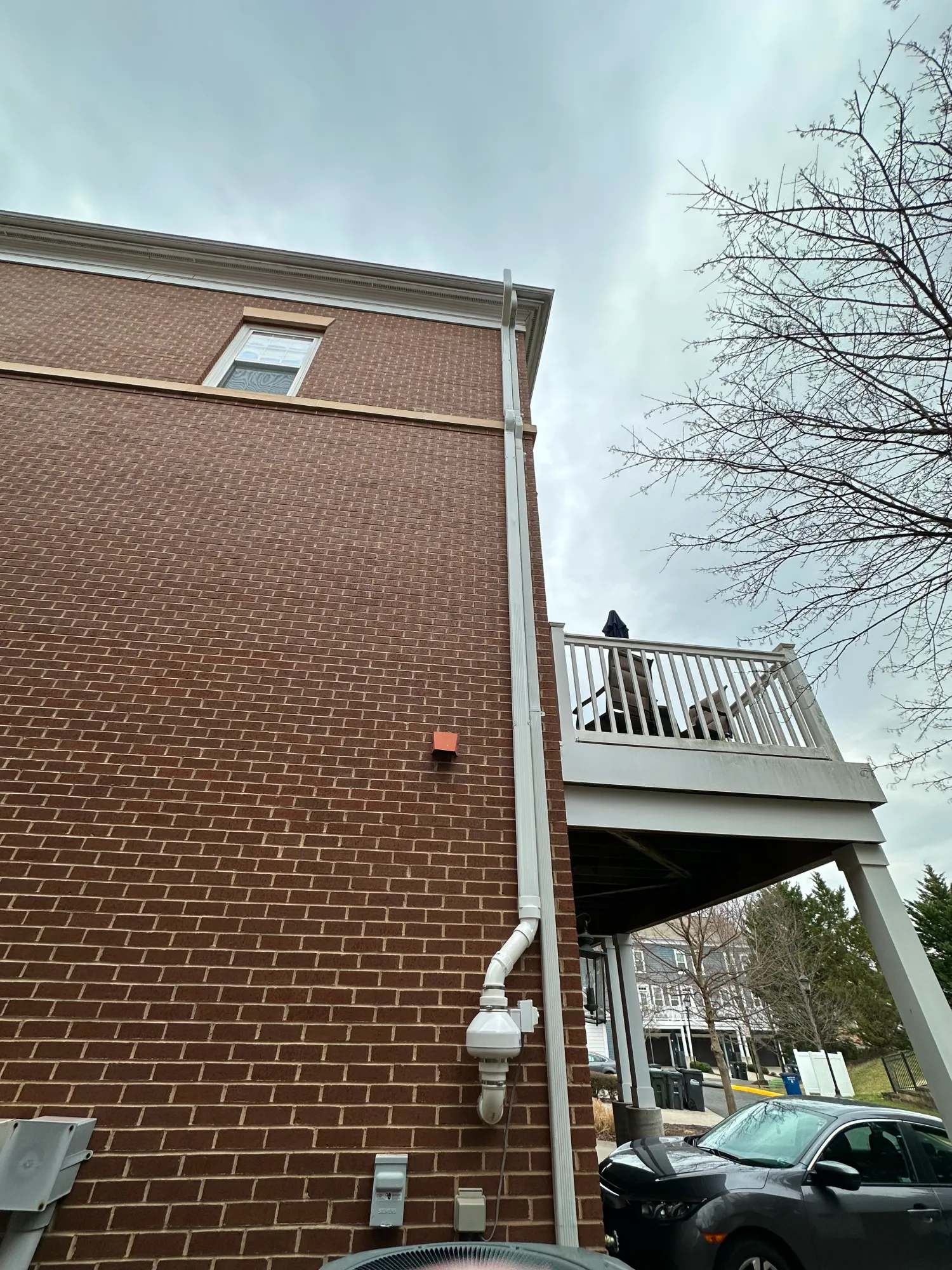
- Connected the block wall suction to a 4-inch PVC main running to an exterior-mounted high-capacity fan on the home’s rear wall. Discharge pipe extends above the roofline.
- Applied hydraulic cement to all visible floor-to-wall joints and caulked utility penetrations through the block walls.
- Drilled and filled block wall cores with expanding foam at strategic locations to isolate the depressurized zone and direct suction where needed.
CLIENT OUTCOME
Post-mitigation test confirmed radon at 1.4 pCi/L — an 88% reduction. The block wall approach addressed the radon entry pathways that a conventional sub-slab system would have missed. The homeowner was a structural engineer by profession and appreciated the diagnostic explanation of why the block wall depressurization was necessary.
“I’ve hired a lot of contractors over the years. These guys actually understood the problem at a technical level and explained exactly why the standard approach wouldn’t work on my foundation type. Impressive.”
— Homeowner & Structural Engineer, Sterling, VA
What Your Neighbors Say
Why Choose Northern Virginia Radon Solutions?
The Northern Virginia Radon Solutions team in Sterling, VA pairs proven engineering with courteous, local service—so you’ll get a clean install, measured results, and clear communication from start to finish.
NRPP-certified professionals
Your system is designed and installed by NRPP-certified specialists who follow EPA, ANSI/AARST standards, and Loudoun County requirements.
Sterling, VA expertise
We’ve served Sterling, VA, tailoring systems to finished basements, townhomes, and newer tight construction common.
Custom systems for any foundation
Basement, slab-on-grade, or crawlspace—we test sub-slab communication and size the fan correctly for durable, quiet performance and lower operating costs.
HOA-friendly, clean workmanship
We route piping discreetly, paint exterior lines on request, and place exhausts to code—protecting safety, curb appeal, and HOA compliance.
Real-estate ready turnarounds
Need it fast? We offer rush testing, 24-hour estimates, and most installations in 1–3 days to keep your transaction on schedule.
Tested results and solid warranty
Post-mitigation testing verifies reductions, and we back fans and workmanship with written warranties and responsive local support.
Breathe Safer Air in Sterling, VA
Request your free, no-pressure quote. Our radon mitigation Sterling, VA team is ready to assess your home, recommend the right system, and install it quickly—with neat workmanship and verified results.